Web Development · · 7 min read
WordPress vs Custom Website — How to Decide
Neither option is “always better.” Here is how we decide between WordPress and a custom build for client projects.
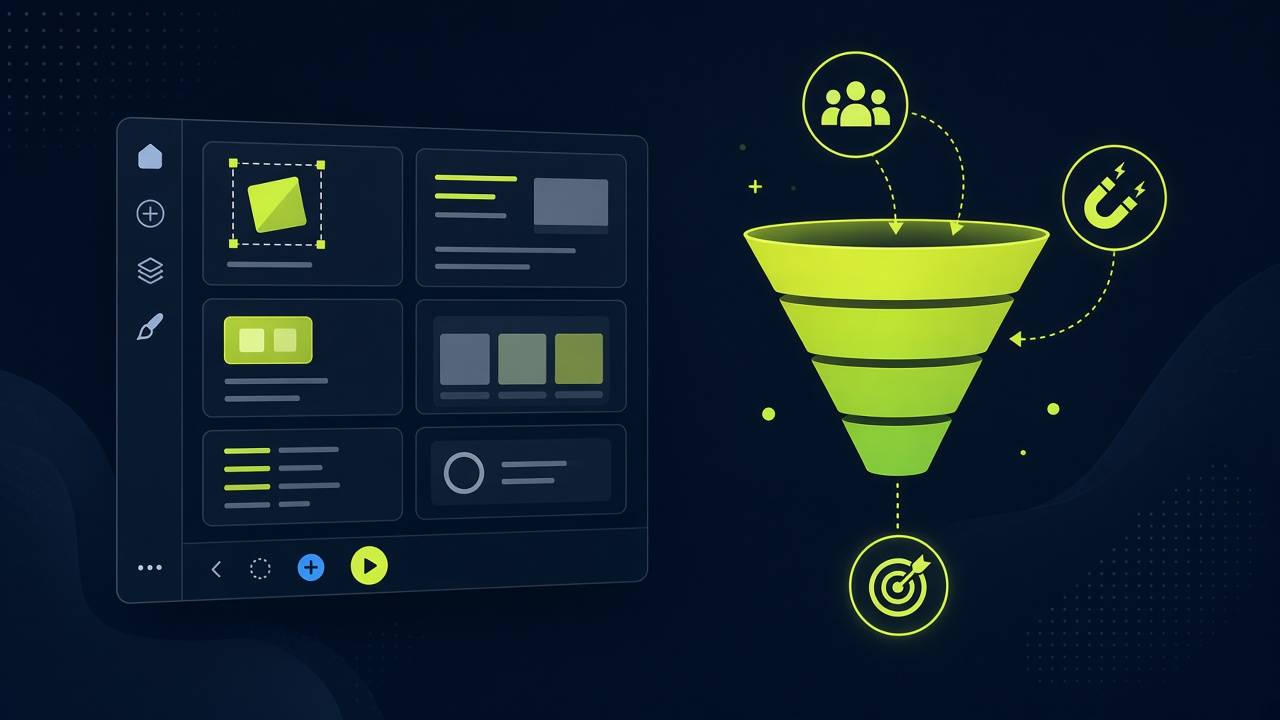
Clients often ask for “the fastest stack” or “whatever Google likes most.” The better question is: who will update the site, how often will content change, and what does success look like in 12 months?
Here is the decision framework we use before recommending WordPress, a custom app, or a hybrid.
When WordPress is the right call
Marketing sites, blogs, and many brochure + lead-gen builds fit WordPress well. Non-technical teams can publish safely, and the plugin ecosystem covers forms, SEO fields, and booking embeds quickly.
WooCommerce remains a strong choice for catalog commerce when you want admin control without inventing an entire order system.
When a custom site wins
Choose custom (for example Next.js) when you need unusual workflows, multi-role dashboards, tight design systems, or performance budgets that page builders struggle to meet.
Custom also pays off when the product is the website — SaaS marketing with interactive demos, memberships with complex entitlements, or integrations that fight WordPress’s request lifecycle.
Cost and timeline reality
WordPress is often faster to launch for content sites. Custom usually costs more up front but can be cheaper long-term if you would otherwise duct-tape five plugins into a fragile stack.
Budget for maintenance either way: updates, backups, and security are not optional.
SEO is not locked to one stack
Google ranks pages, not frameworks. Clean URLs, fast LCP, solid internal links, and useful content matter more than “WordPress vs React.”
Both stacks can score well. Both can fail if you ship bloated themes or skip metadata and sitemap hygiene.
- WordPress
- Custom Development
- Strategy